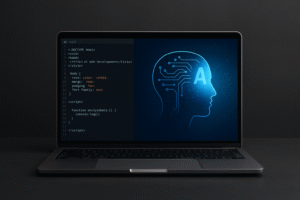
The web is changing faster than ever, and 2026 will bring exciting new opportunities for developers, businesses, and users alike. Modern web technologies are no longer just about how a site looks. They focus on speed, personalization, security, and creating smarter experiences. By understanding these trends, anyone building or managing a website can stay ahead and deliver what users truly want.
Artificial Intelligence: Making Websites Smarter
Artificial intelligence is now a key part of web development. In 2026, AI will help developers write cleaner code, reduce repetitive tasks, and improve user experiences. For example, AI-powered chatbots will answer questions more naturally, and websites will show content that matches each user’s interests. Moreover, AI analytics can help businesses understand their users and respond faster. As a result, websites will feel more interactive and personal than ever.
Progressive Web Apps: Fast and Accessible
Progressive Web Apps, or PWAs, are becoming essential for modern websites. They work like mobile apps but can be accessed through a browser. Users can even use them offline, and they load much faster than traditional websites. Because PWAs don’t require app store downloads, businesses can reach more users easily. In 2026, PWAs will help companies improve engagement and create smoother, faster experiences.
Headless Architecture: Flexibility and Speed
Headless architecture separates the front-end design from the backend systems. This separation gives developers more flexibility. For instance, content can appear on websites, mobile apps, or even virtual reality platforms without rebuilding it each time. When combined with APIs, headless architecture allows rapid innovation. Therefore, websites can adapt quickly to new technologies and user expectations.
WebAssembly: High-Performance Web Applications
WebAssembly, or Wasm, lets developers run code in the browser at near-native speed. This means complex applications like online games or advanced visualization tools can work smoothly without slowing down. By 2026, WebAssembly will allow web apps to perform tasks that were previously only possible on desktop software. Consequently, users will enjoy faster, richer experiences.
Security: Protecting Users and Gaining Trust
Security remains a top priority for any website. In 2026, websites must adopt HTTPS, strong authentication methods, and protections against bots and cyberattacks. Users care about privacy, and businesses that fail to provide it risk losing trust. By implementing modern security measures, companies not only protect users but also strengthen their reputation.
Voice, Gestures, and Real-Time Features
Web interaction is no longer limited to clicks and taps. Voice commands, gestures, and real-time updates are becoming standard. Users will expect websites to respond instantly, with live notifications and dynamic content. As a result, websites will feel more responsive and interactive, creating a better overall experience.
The Future of the Web
In 2026, the web will be faster, smarter, and more engaging. Developers and businesses that embrace AI, PWAs, headless systems, WebAssembly, and strong security will gain a significant advantage. Websites will no longer simply display information—they will adapt, interact, and provide personalized experiences that keep users coming back. Staying ahead of these trends is essential for anyone building for the future of the internet.
Also Read: How to Build Accessible Designs Without Losing Creativity