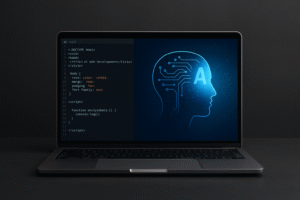
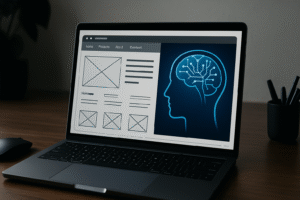
As we move deeper into the digital age, the role of artificial intelligence (AI) in web design is becoming increasingly significant. At Creatofly, a leading provider of web design and SEO services, we recognize that the future of front-end web design will be heavily influenced by AI technologies. This article explores how AI will shape web design, the potential impacts on job careers, and what businesses can do to stay ahead in this evolving landscape.
Understanding AI in Web Design
AI technologies are already making waves in various industries, and web design is no exception. From automating repetitive tasks to enhancing user experience, AI is poised to revolutionize how websites are created and maintained. Here are some key areas where AI is expected to have a profound impact:
1. Automated Design Processes
AI tools can automate many aspects of the design process, from layout generation to color selection. This not only speeds up the design process but also allows designers to focus on more creative and strategic tasks. For instance, AI can analyze user behavior and preferences to suggest design elements that are more likely to engage visitors.
2. Personalized User Experiences
AI can analyze vast amounts of data to create personalized experiences for users. By understanding user behavior, preferences, and demographics, AI can help designers create websites that cater specifically to individual users. This level of personalization can significantly improve user engagement and conversion rates.
3. Enhanced Accessibility
AI can also play a crucial role in making websites more accessible. By using AI-driven tools, designers can ensure that their websites are compliant with accessibility standards, making it easier for people with disabilities to navigate and interact with online content. This not only broadens the audience but also enhances the overall user experience.
4. Predictive Analytics
With AI, designers can leverage predictive analytics to anticipate user needs and behaviors. This allows for proactive adjustments to website design and content, ensuring that users find what they are looking for quickly and efficiently. Predictive analytics can also inform marketing strategies, helping businesses target their audience more effectively.
The Impact on Job Careers in Web Design
As AI continues to evolve, the job landscape in web design will also change. While some may fear that AI will replace human designers, the reality is more nuanced. Here are some potential impacts on careers in web design:
1. New Skill Requirements
With AI taking over routine tasks, web designers will need to adapt by acquiring new skills. Understanding how to work with AI tools and interpret data will become increasingly important. Designers will need to focus on creative problem-solving, strategic thinking, and user experience design to remain competitive in the job market.
2. Job Transformation
Rather than eliminating jobs, AI is likely to transform existing roles. Designers may find themselves taking on more strategic responsibilities, such as overseeing AI-driven design processes or focusing on user experience and engagement strategies. This shift could lead to more fulfilling and impactful work.
3. Increased Collaboration
As AI tools become more integrated into the design process, collaboration between designers and AI will become essential. Designers will need to work closely with AI systems to ensure that the final product aligns with user needs and business goals. This collaboration can lead to innovative solutions and improved outcomes.
4. Opportunities for Specialization
The rise of AI in web design may also create new opportunities for specialization. Designers who can effectively leverage AI tools will be in high demand, leading to the emergence of new roles focused on AI-driven design strategies. This could include positions such as AI design specialists or user experience analysts.
Staying Ahead in the AI-Driven Landscape
For businesses looking to thrive in this AI-driven landscape, it’s essential to stay informed and adapt to the changing environment. Here are some strategies to consider:
1. Invest in Training and Development
Encouraging ongoing education and training for your design team can help them stay up-to-date with the latest AI tools and technologies. This investment will not only enhance their skills but also improve the overall quality of your web design services.
2. Embrace AI Tools
Integrating AI tools into your design process can streamline workflows and improve efficiency. At Creatofly, we are committed to leveraging the latest technologies to deliver high-quality web design and SEO services that meet the needs of our clients.
3. Focus on User-Centric Design
As AI enables more personalized experiences, businesses should prioritize user-centric design. Understanding your audience and tailoring your website to their needs will be crucial for success in the future.
4. Collaborate with AI Experts
Partnering with AI experts can provide valuable insights and guidance on how to effectively implement AI in your design processes. This collaboration can lead to innovative solutions and improved outcomes for your business.
Conclusion
The future of front-end web design is undoubtedly intertwined with the advancements in AI technology. As we move forward, it’s essential for designers and businesses to embrace these changes and adapt to the evolving landscape. By investing in training, leveraging AI tools, and focusing on user-centric design, businesses can position themselves for success in an increasingly competitive digital world. At Creatofly, we are excited about the possibilities that AI brings to web design and are committed to helping our clients navigate this transformation.
For more insights on how AI is shaping the future of technology, check out our article on Agentic AI: Multimodal Systems & the Future of Technology. Additionally, explore our projects to see how we are implementing innovative design solutions for our clients.